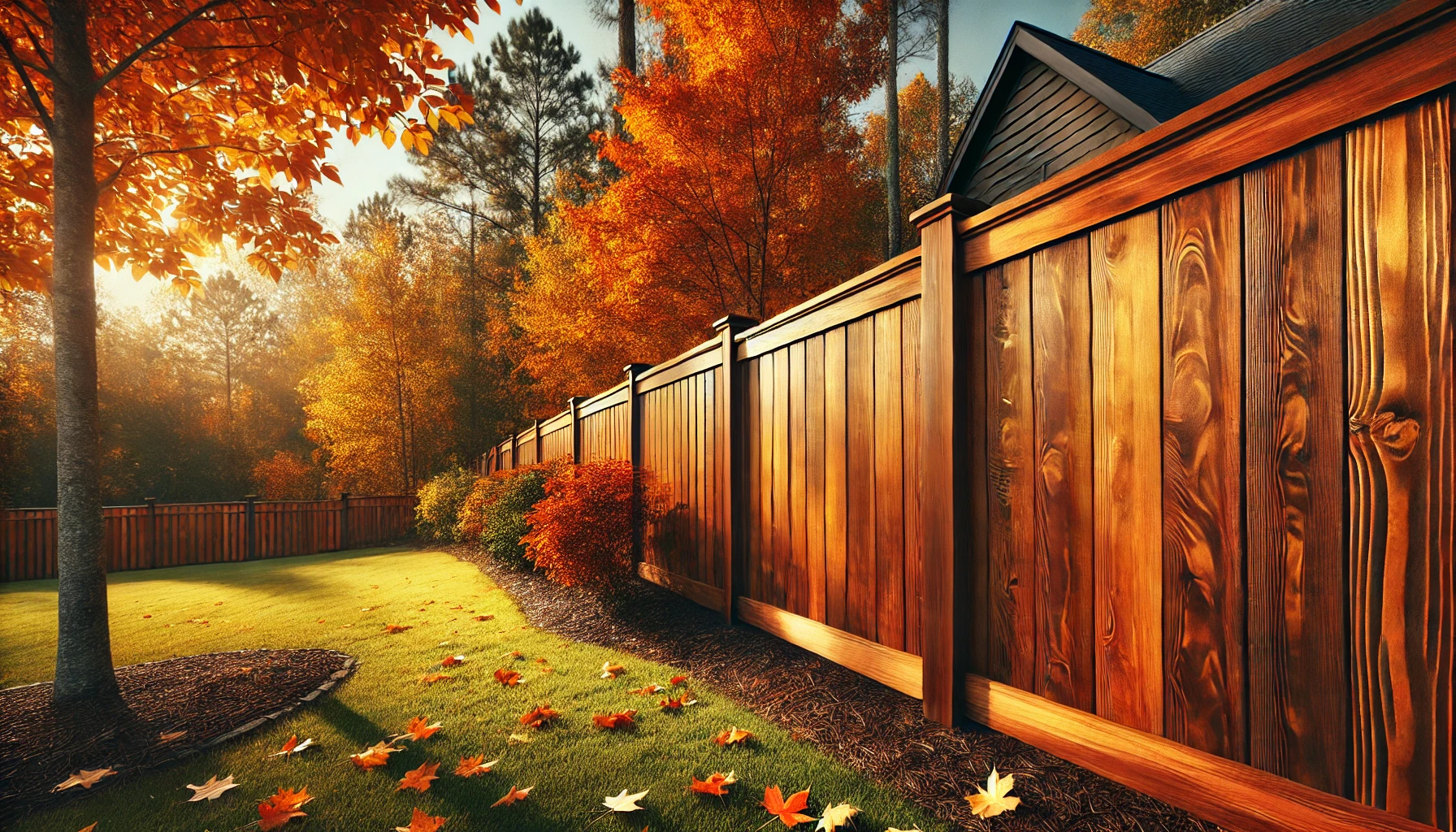
Fence stain helps a wood fence keep its color and stand up to sun, rain, and everyday weather. In Georgia, the best time to apply it depends less on a calendar date and more on the forecast, the condition of the wood, and the product’s application instructions.
Look for a mild, steady weather window
Spring and fall often offer comfortable conditions for outdoor staining, but the weather can vary from week to week. Aim for a period without extreme heat, cold, or sudden storms so the product has a chance to apply and cure as directed.
Check the stain label for its temperature range. Shade, direct sunlight, and a hot fence surface can affect how quickly stain dries.
Give rain and humidity careful attention
The fence should be dry before staining, and the forecast should allow the product to dry for the full time recommended by its manufacturer. Heavy dew, high humidity, or an unexpected shower can interfere with the finish.
Do not rely on the sky alone. Check whether the boards themselves are dry and follow any moisture limits specified for the stain you choose.
Prepare the wood before opening the stain
Remove dirt, mildew, loose material, and other residue using a suitable cleaning method. If the fence has been washed, allow it to dry thoroughly. Replace damaged boards and address protruding fasteners before coating the surface.
A small test patch helps you check the color and absorption on your particular wood before covering the full fence.
Choose the timing around the fence’s condition
New wood may need time to dry or weather before it is ready for stain; the correct waiting period depends on the wood, treatment, and product instructions. An older fence may need more cleaning or light preparation before the finish can be refreshed.
Inspect the fence first rather than assuming every board is ready at the same time.
Plan for a finish that lasts
Apply stain evenly, work in manageable sections, and avoid leaving lap marks by following the product’s application guidance. Keep sprinklers, pets, and foot traffic away from the work area until the finish is ready for use.
The best staining day is a dry, moderate day that gives the product the conditions it needs—not simply the first sunny day on the calendar.
Choose a dry, moderate weather window, prepare the wood thoroughly, and follow the stain manufacturer’s guidance. Those steps help Georgia homeowners get a more even finish and better long-term protection.
Source topic: View the original article on Titans of Timber